A first exploratory mission to Cameroon
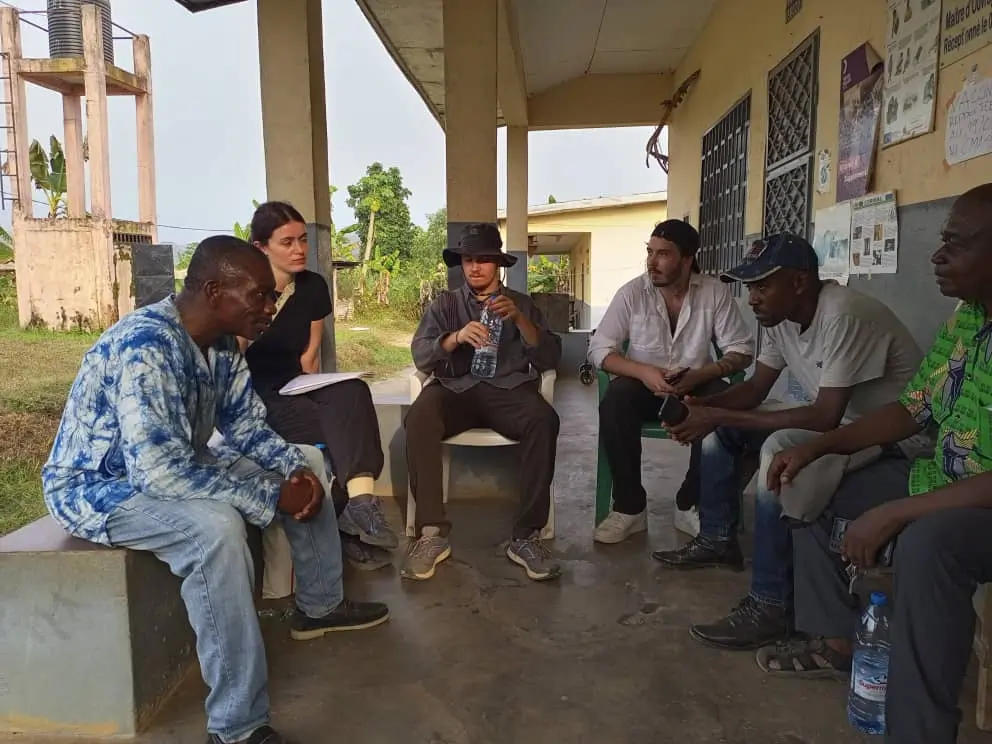
From 26 January to 2 February, a HAMAP-Humanitaire project manager carried out a first mission to Cameroon to explore the prospects for action on access to drinking water and sanitation, and to identify the needs of local communities.
A context marked by unequal access to water
Despite substantial water resources, Cameroon faces an uneven distribution of access to water between urban and rural areas.
Main issues identified
- Unequal access between rural and urban areas
- Difficulty in tapping groundwater
- Inadequate water quality in several regions
- Limited or poorly functioning sanitation infrastructure
- Greater vulnerability to floods and droughts linked to climate change
Although more than 35% of the rural population has access to a water source, the water is often unfit to drink.
A worrying health situation
Limited access to safe drinking water has direct consequences for people's health.
Examples of impacts
- Reliance on unsafe sources such as rivers
- Use of hand pumps for non-food purposes
- Emergence of waterborne diseases such as diarrhoea and salmonellosis
- Increased risks for children
In some villages, the existing infrastructure does not meet residents' actual needs, which compounds their day-to-day difficulties.
A mission structured around several stages
The mission made it possible to take stock of needs and of project opportunities across different areas.
1. Organisational assessment
A first discussion was held with the Mapubi association, based in Edea and a partner in the project led by Cultude.
- Analysis of how the organisation operates
- Allocation of roles and responsibilities
- Identification of capacity-building needs
- Reflection on coordinating future activities
2. Visits to the target areas
Visits were carried out in the municipality of Massock Songloulou (Songmbengue, Kahn, Onna, Pendjock) to assess conditions of access to water and sanitation.
Main findings
- Hand pumps whose water is not always safe to drink
- River water used for drinking
- Low coverage of water points in some villages
- No sanitation facilities in some schools
- Additional burden on women linked to treating the water
3. Identifying social and gender issues
- Time spent collecting and treating water
- Impact on women's daily activities
- Unequal access to water resources
- Importance of building a gender dimension into future projects
4. Meetings with institutional and civil society actors
Discussions were held with:
- The departmental water delegate
- Several local NGOs:
- Alliance pour la maitrise de l'eau
- Association pour la Solidarite et le Developpement Durable (AS2D)
- Demain Avenir
These meetings also opened up the prospect of consortium arrangements between actors in the sector.
Opportunities for collaboration and capacity building
The mission highlighted strong potential for cooperation between local and international actors.
Prospects identified
- Setting up multi-stakeholder partnerships
- Building the capacity of local organisations
- Developing collaborative approaches
- Designing projects suited to local realities
Particular attention to including stakeholders
The discussions showed strong involvement from local communities, at times greater than that of the institutional authorities.
Against this backdrop, one of the main challenges for future projects will be:
- to ensure that stakeholders are better included
- to strengthen coordination between actors
- to build lasting interventions suited to conditions on the ground
Towards a lasting commitment in Cameroon
This exploratory mission is a first step towards developing concrete activities in the country. It confirms how relevant it is to work on water and sanitation issues in Cameroon, while underlining the importance of a partnership-based and inclusive approach.
Through this initiative, HAMAP-Humanitaire reaffirms its commitment to supporting communities in lastingly improving their living conditions, building on local actors and on the dynamics already at work.