Mine Action in Lebanon
Clearance, risk education and protection of civilians with Beeatoona, the University of Balamand and the LMAC.
Key figures
THE SITUATION
IN LEBANONContamination, casualties and the international framework
Treaty status
Lebanon is not a signatory to the Ottawa Treaty banning anti-personnel mines, but supports the universalisation of the relevant treaties.
Contamination
Lebanon faces historic contamination, made worse by recent conflicts. The 2023-2024 war between Israel and Hezbollah and the invasion of the south of the country created around 2 million m² of new contamination (a 10% increase), 85% of it in South Lebanon.
Casualties
54 casualties from explosive remnants of war (ERW) have been recorded since October 2023, a 300% increase on previous annual averages. 87% of the casualties are men, and 20 to 30% are children.
Local partners
2 main partners: Beeatoona and the University of Balamand (UoB), together with the Lebanon Mine Action Centre (LMAC), the national authority responsible for demining.
Our work in the country
IN LEBANON
SINCE 2006From emergency response to autonomy for Lebanese actors
Present in Lebanon since 2006, HAMAP-Humanitaire runs a Mine Action programme built entirely on localisation and on strengthening national actors.
Our vision is to enable Lebanese NGOs (such as Beeatoona, the first national NGO accredited for demining) to manage explosive risks independently.
Read more about our work
We work in close coordination with the Lebanon Mine Action Centre (LMAC).
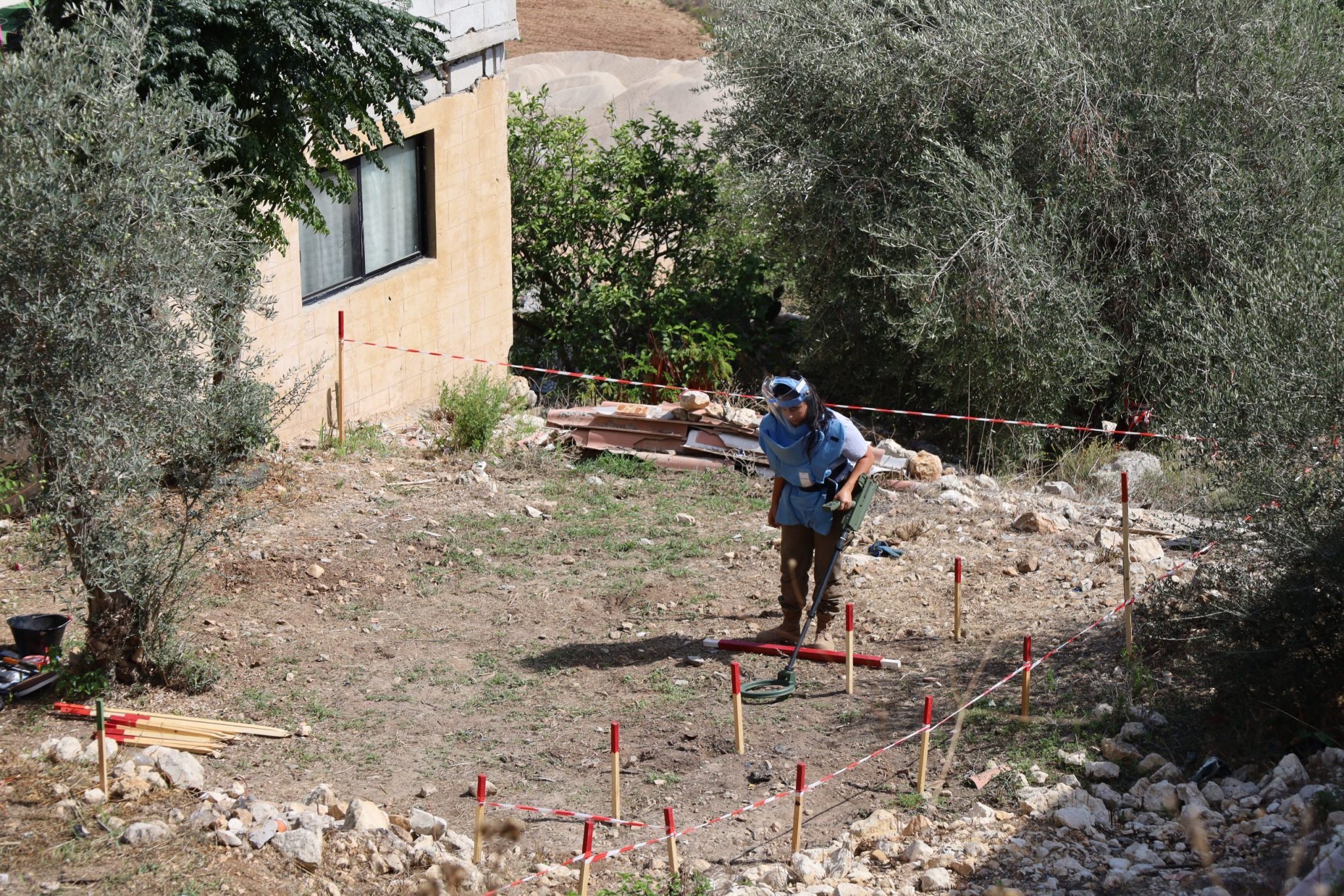
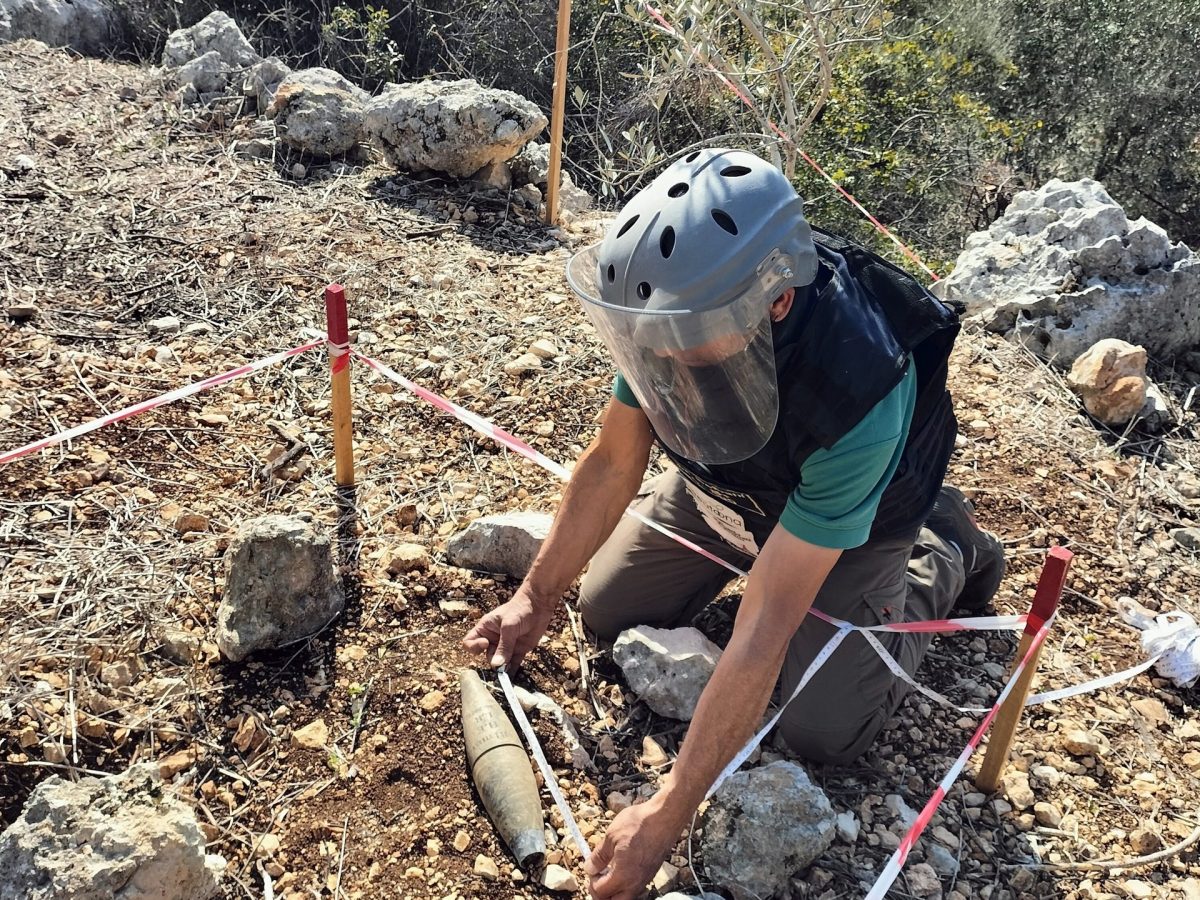
Our approach combines land clearance (BAC), Explosive Ordnance Risk Education (EORE), including through innovative digital campaigns, and Non-Technical Surveys (NTS).
Faced with the escalation of the conflict in March 2026, which displaced more than 800,000 people, we showed our agility by redirecting operations towards an emergency Conflict Preparedness and Protection (CPP) approach in collective shelters and displacement areas.
Our aim is to ensure a smooth transition from the post-crisis emergency response to lasting socio-economic recovery for communities.
Mainly the governorates of South Lebanon and Nabatieh, as well as Beirut, Mount Lebanon and the Bekaa for displaced populations.
Our projects
MINE ACTION IN LEBANON3 projects with Beeatoona, the University of Balamand and the LMAC
 Ongoing
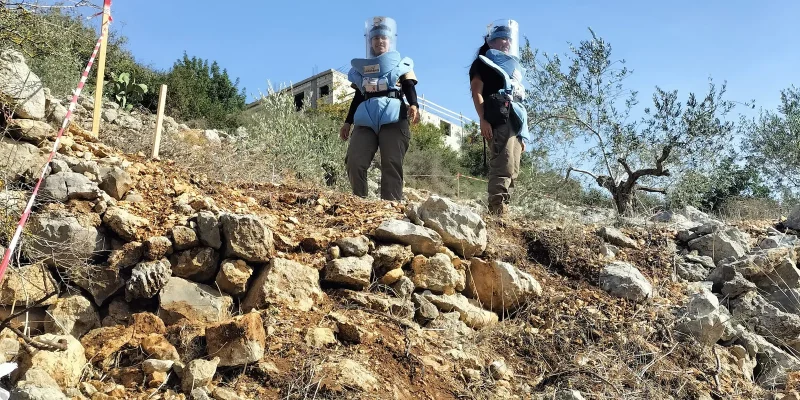
AL-MASAR programme: empowering Lebanese deminers
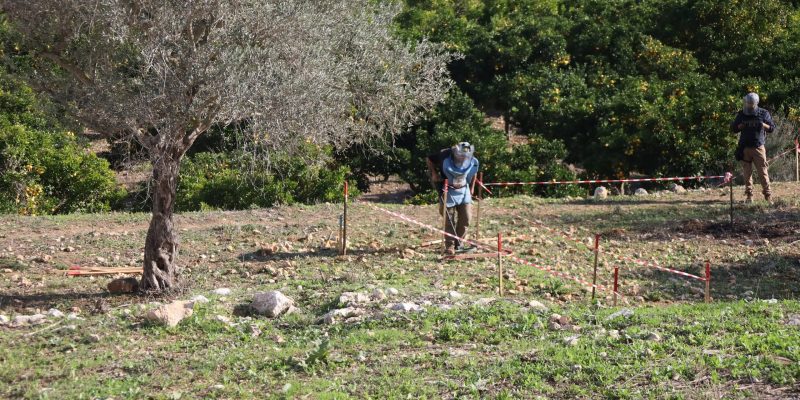
Building on the success of the 2024 emergency project, the AL-MASAR programme made possible the historic deployment of the first demining team from a Lebanese NGO. Faced with the large-scale war of March 2026, the programme adapted its phase 1 to protect civilians, while preparing an ambitious phase 2 of clearance and land release.
 Ongoing
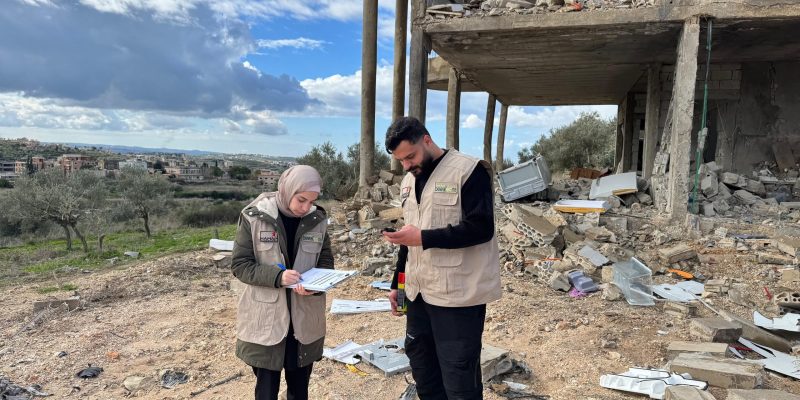
BRIDGE project: resilience, inclusion and digitalisation
While clearance is the essential first step towards stabilisation, it must go hand in hand with community recovery initiatives and adapt to the digital age in order to reach populations that cannot otherwise be accessed.
 Completed project
Localising mine action in crisis and post-crisis
Launched in 2024 in the face of the escalating conflict, this project set out to respond to the crisis while preparing the very first transition of Lebanese local actors to autonomous demining operations. The project had to show great agility, switching from a conventional approach to Conflict Preparedness and Protection (CPP) activities during the mass displacements of autumn 2024.
Partners
THEY SUPPORT OUR WORK IN LEBANON
Our donors and funding partners
Technical insert
Our expertise: protecting civilians in wartime (the CPP approach)
In modern conflicts, where populated areas are hit, conventional mine risk prevention is no longer enough. That is why HAMAP-Humanitaire uses the Conflict Preparedness and Protection (CPP) approach, designed specifically to teach civilians how to survive while war is raging. The method passes on practical survival advice in three simple stages:
- BEFORE (get ready): learn how to prepare an emergency bag and identify the safest room in your home or school.
- DURING (protect yourself): know the immediate survival postures, such as moving away from windows, protecting your head and helping the most vulnerable during an attack.
- AFTER (stay safe): know how to react around destroyed buildings and avoid bombs that have fallen without exploding.
Our work in the field: in Lebanon, faced with the sudden escalation of the conflict in 2024 and again in 2026 and the mass displacement of families, our teams showed great agility in deploying this emergency approach. Working with our local partners, who know the ground intimately, and with the authorities, we went straight into schools and shelters to pass on these life-saving actions. Rather than waiting for the fighting to end, we act at the heart of the crisis to protect lives today.
SUPPORT OUR
WORK IN LEBANON
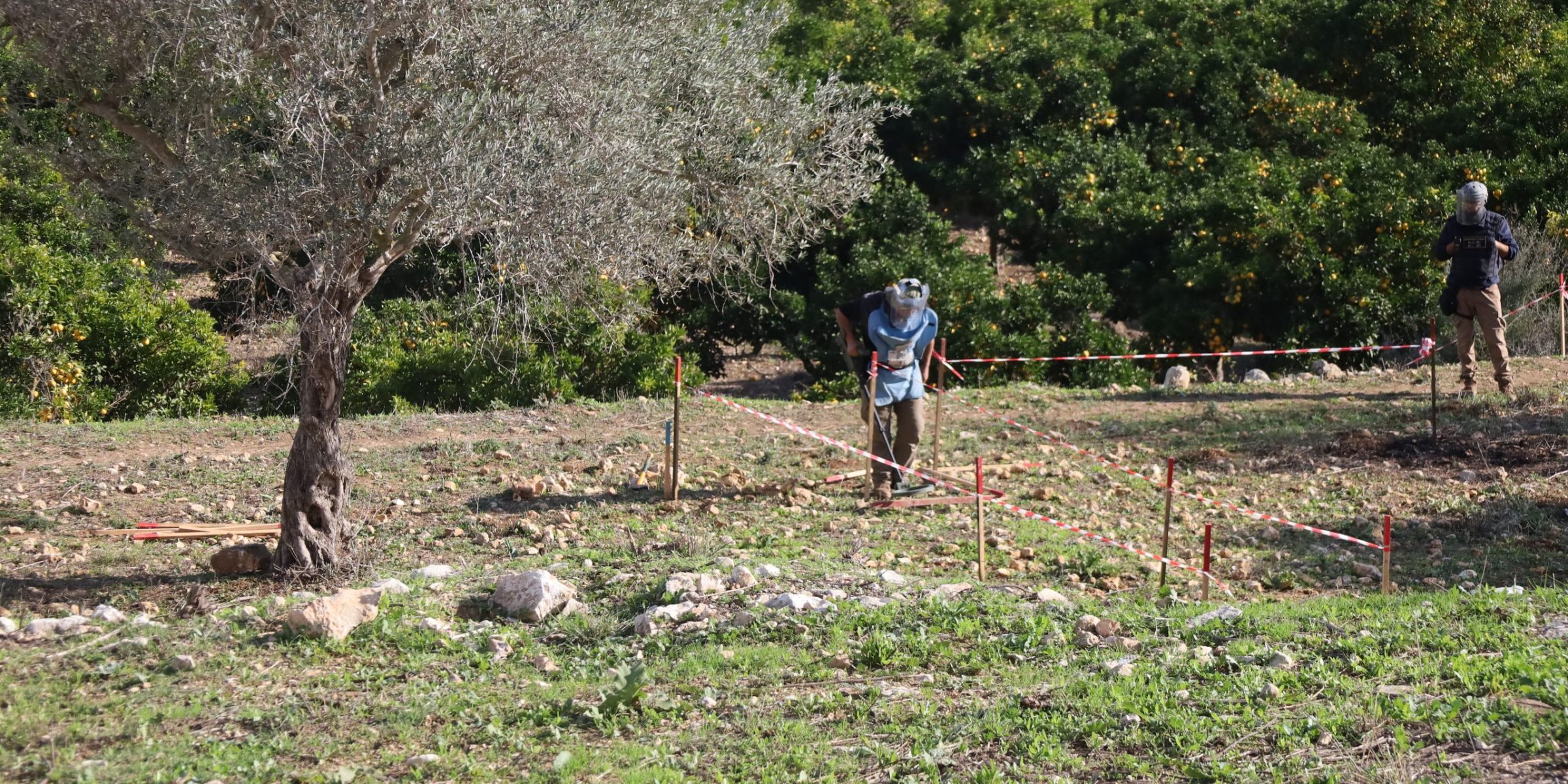
Lebanon has faced massive contamination since 2023. HAMAP-Humanitaire and its partners are working to protect people and make Lebanese actors autonomous.
Donate 66% of your gift is tax-deductible in France