WATER, SANITATION
& HYGIENE
Building essential infrastructure, strengthening local skills and lastingly improving living conditions. Access to water is a fundamental right.
Water, a fundamental right
A right under threat
Access to water is an essential right, recognised by the United Nations since 2010. Yet nearly 2 billion people worldwide still have no safe drinking water. Climate disruption, population growth and unequal access to essential services are making this worse, and hit the most vulnerable communities first.
At HAMAP-Humanitaire, we work to guarantee lasting access to water and sanitation while building the self-reliance of communities. Because water is far more than a resource: it shapes health, education, food security, equality between women and men, and economic development.
Droughts, floods, pollution of water resources and deteriorating infrastructure: the effects of climate change weaken access to water and deepen existing vulnerabilities. Those hit first are often women, children and isolated rural communities.
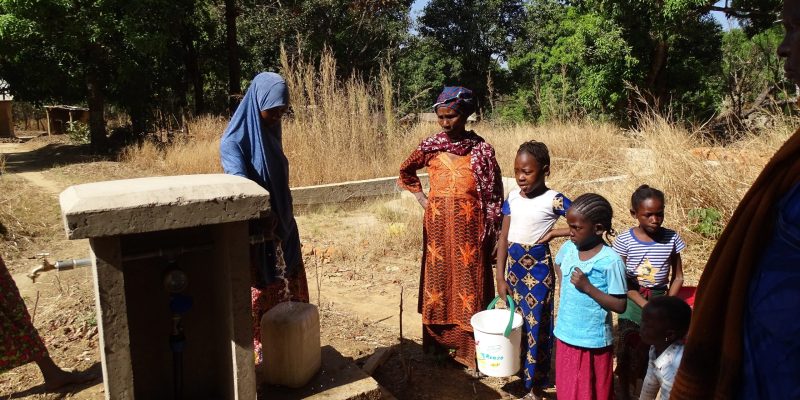
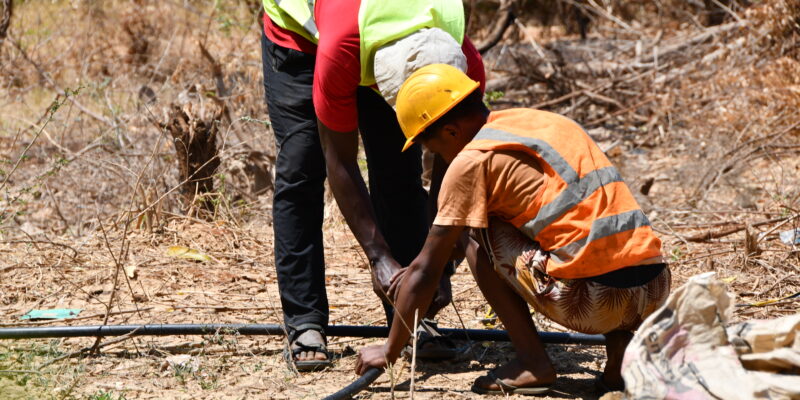
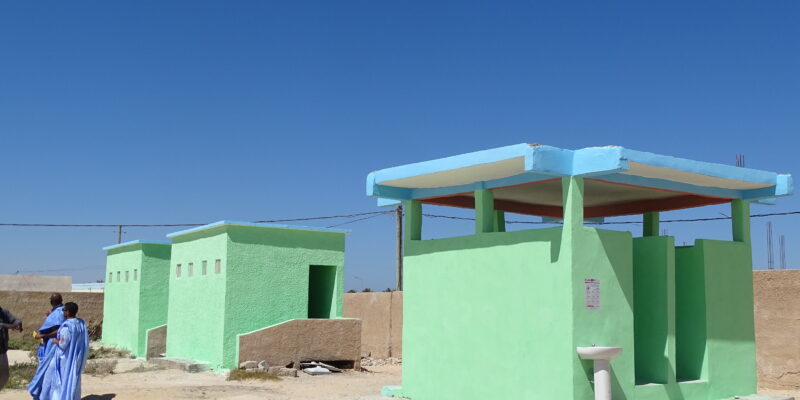
With our local partners, we design and build infrastructure suited to people's needs: boreholes, spring catchments, drinking water supply networks, household latrines, school sanitation blocks and water resource management systems.
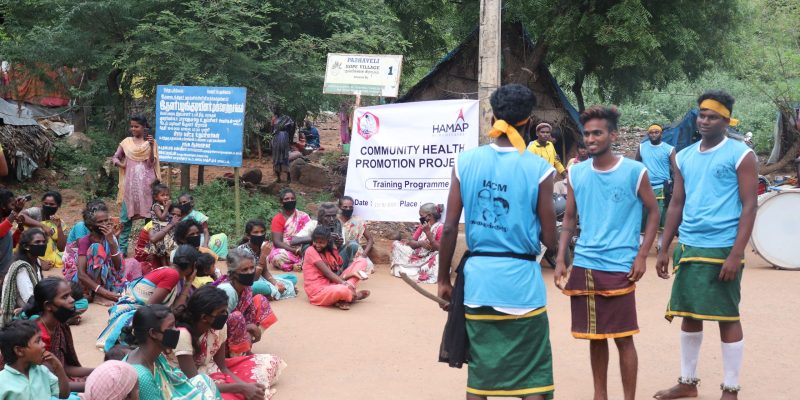
Access to infrastructure is not enough. We support communities through hygiene awareness, technical training and capacity building, to ensure that the works are managed locally for the long term.
Our conviction
Because guaranteeing access to water means improving health, supporting development and giving communities the means to build their future for the long term.
Our approach
GUARANTEEING ACCESS
TO SAFE WATERFour pillars for lasting access to water and sanitation
780 million people still drink unsafe water. 3.6 million die from it every year, half of them children under five. HAMAP-Humanitaire works in 18 countries to build drinking water infrastructure, install sanitation systems and train communities to manage their water resources for the long term.
Boreholes, water towers, gravity-fed distribution networks, standpipes and household connections.
Household latrines, school sanitation blocks, wastewater treatment systems and treatment plants.
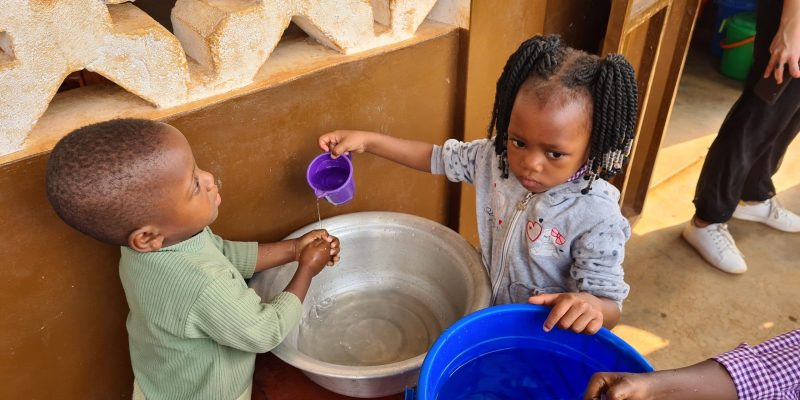
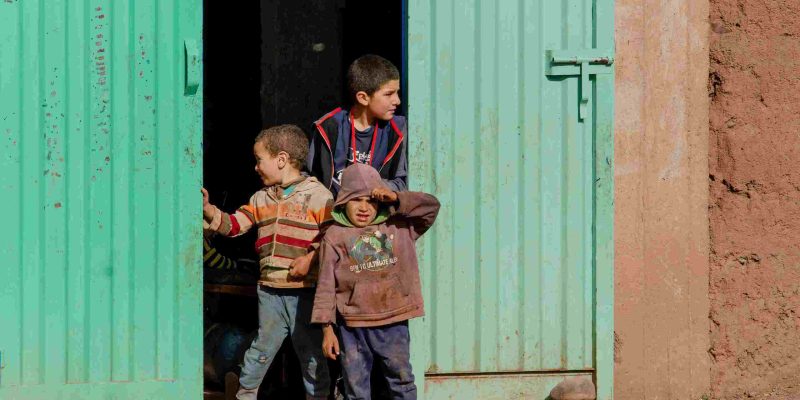
Community awareness, school-based training, menstrual hygiene for women and girls.
Village management committees, public service delegation, long-term maintenance of infrastructure by communities.
Flagship programme
STUNG SEN BASIN,
CAMBODIA
2012-2026, Integrated Water Resource Management with the French water agencies
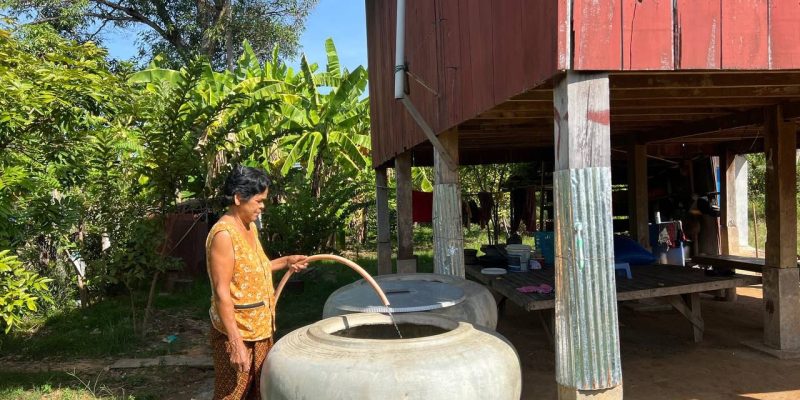
HAMAP-Humanitaire has been working in Cambodia since 2012, initially supporting various Cambodian civil society organisations in carrying out water, sanitation and hygiene projects, mainly in Siem Reap province. From 2016 onwards, HAMAP-Humanitaire refocused its work on the Stung Sen basin, to sit more closely alongside the other French cooperation actors and make its action more effective.
Since then, HAMAP has worked with the local NGO Rainwater Cambodia, which provides local monitoring of the successive projects aimed at improving access to water, sanitation and hygiene for the rural communities of the Stung Sen. This is done in close cooperation with the Tonlé Sap Authority and with the Loire-Bretagne and Rhin-Meuse water agencies, which run an institutional partnership with the Cambodian regional and national authorities in the basin.
These projects support the rural communities of the Stung Sen basin towards a lasting improvement in their access to water, sanitation and hygiene, through infrastructure and management arrangements built to last, while protecting water resources.

Our countries of operation
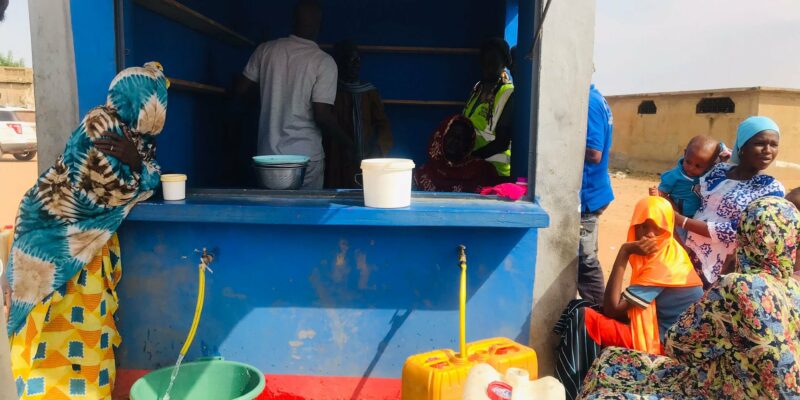
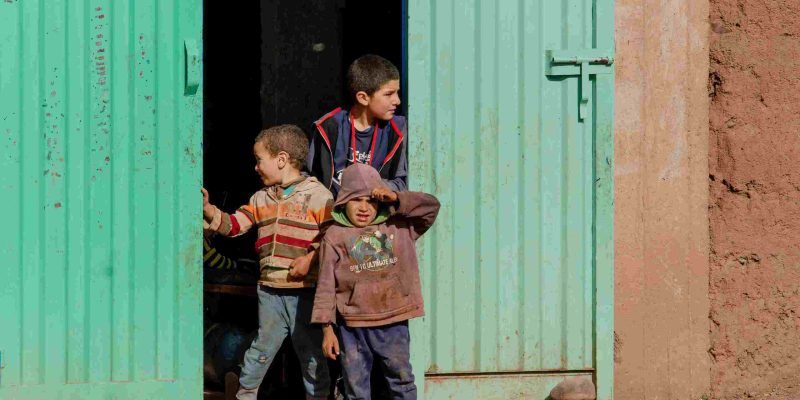
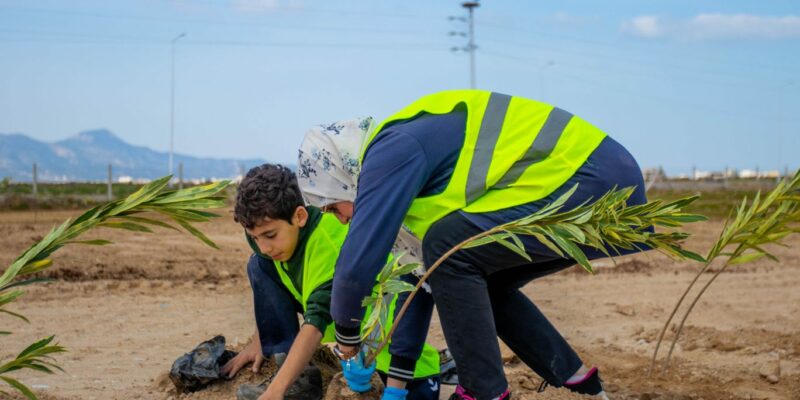
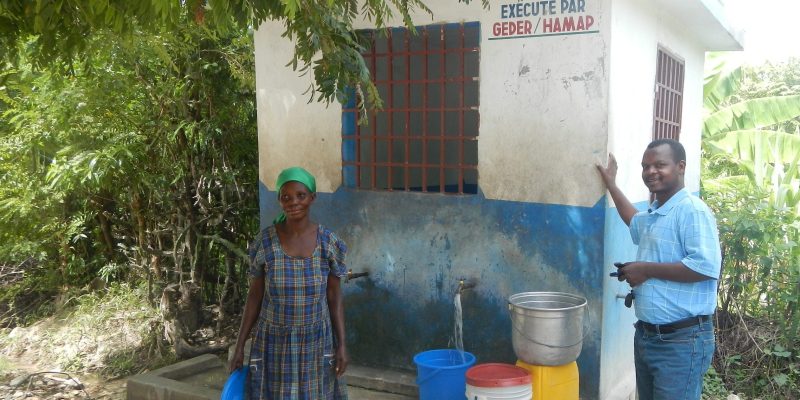
18 COUNTRIES, 5 REGIONSDiscover our work country by country


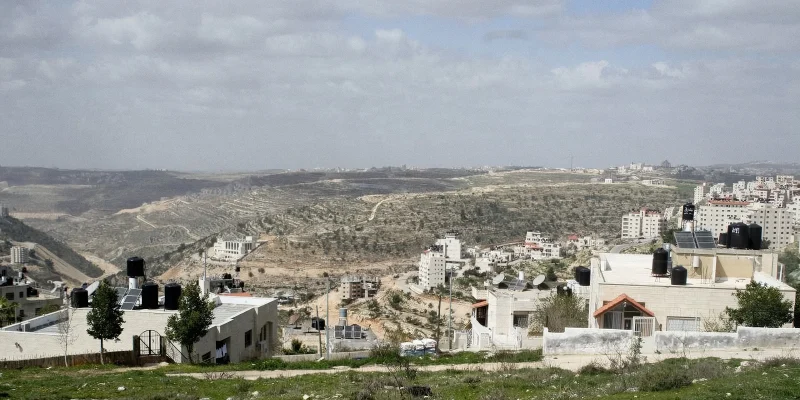
Capacity building
MAKING COMMUNITIES
SELF-RELIANTTraining, supporting and passing on skills for lasting impact
Capacity building is at the heart of HAMAP's approach to water and sanitation. Rather than simply building infrastructure, we train village management committees so that communities run their own water networks over the long term.
A partner of HAMAP since 2012, Rainwater Cambodia supports the communes of the Stung Sen basin in managing their water infrastructure. The village management committees trained by HAMAP now run the networks independently, a model replicated in 6 communes.
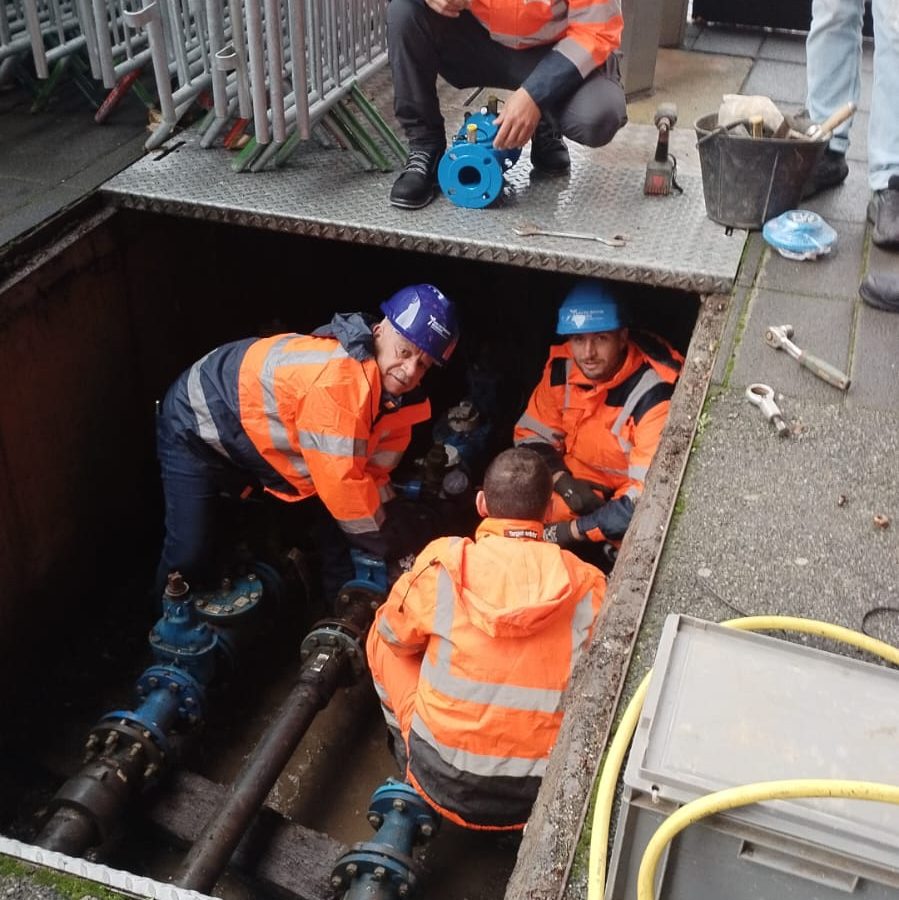
PALESTINE Training technicians of the Beitunia water service
Our four-step process
From the initial assessment to communities managing their water resources independently.
Assessing water needs, the condition of existing infrastructure and mapping available resources.
Boreholes, water towers, distribution networks, latrines. Installing infrastructure together with communities.
Setting up and training management committees. Transferring skills in operation, maintenance and financial management.
The community runs its water network independently. HAMAP monitors and gradually steps back.
SUPPORT ACCESS
TO WATER
More than 600,000 people have already benefited from our work on access to water and sanitation in 18 countries.
Donate