Mine Action in Syria
Explosive ordnance risk education, non-technical surveys and clearance, alongside stronger Syrian demining teams.
Key figures
THE SITUATION
IN SYRIAContamination, casualties and the international framework
Syria has inherited one of the most complex humanitarian crises in the world, the result of more than 13 years of devastating conflict. According to UNOCHA, around 16.5 million Syrians still need humanitarian assistance. Since the fall of the Assad regime, more than 2 million refugees have returned, while more than 7.4 million Syrians remain displaced inside the country. Explosive ordnance contamination is one of the most urgent challenges for Syria's recovery. According to the Carter Center, around one million munitions were used during the conflict, with an estimated failure rate of between 10 and 30%. As a result, 15.4 million Syrians, more than two thirds of the population, are exposed to the risk posed by explosive ordnance.
Treaty status
Syria is not a signatory to the Ottawa Treaty banning anti-personnel mines, nor to the Oslo Convention on Cluster Munitions. It ratified the Convention on the Rights of Persons with Disabilities (CRPD) on 10 July 2009.
Contamination
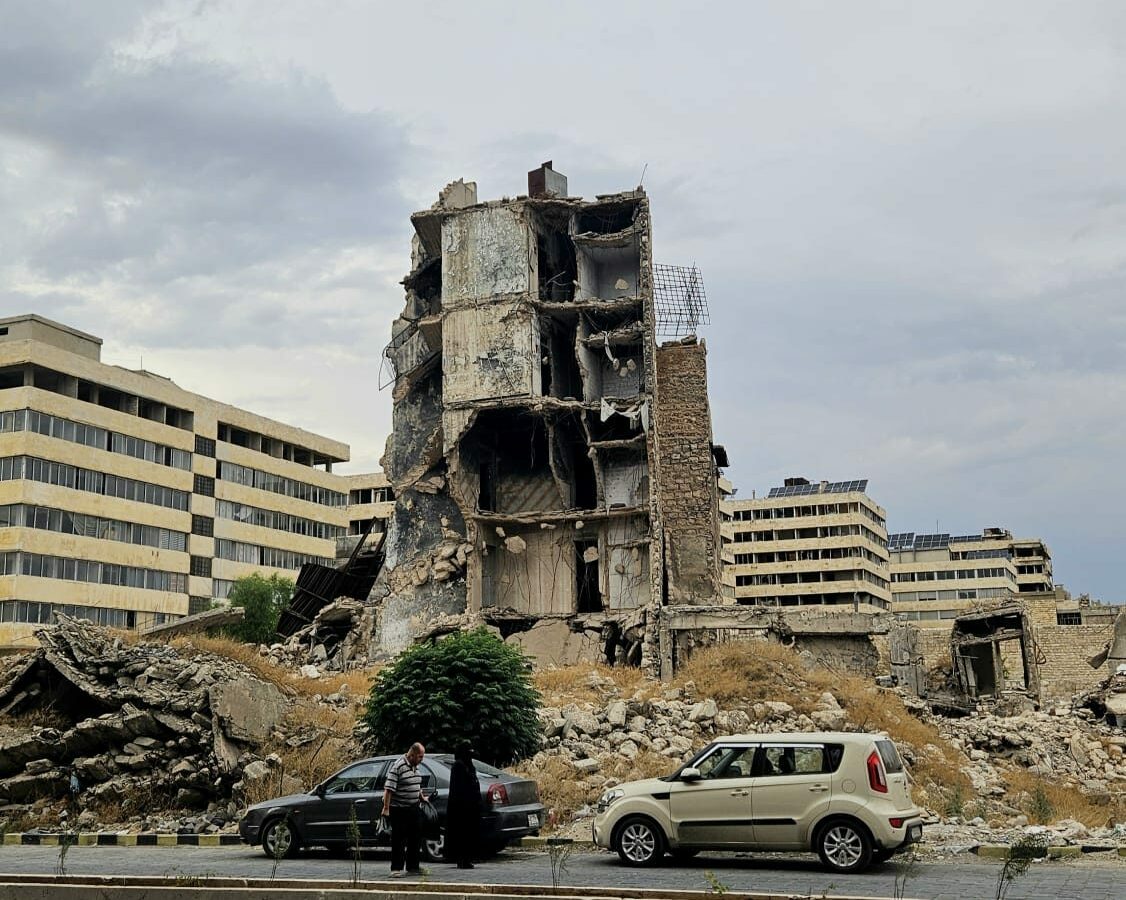
Syria is one of the countries most contaminated by explosive ordnance in the world, the consequence of several decades of armed conflict. The contamination stems first from the successive Arab-Israeli wars since 1948, and above all from the civil war that began in 2011, during which all parties to the conflict made massive use of mines, cluster munitions, improvised explosive devices (IEDs) and other explosive remnants of war (ERW). The full extent of the contamination remains unknown, as no complete national survey has yet been carried out. The fall of the Assad regime in late 2024 caused a sharp rise in accidents, as retreating forces abandoned large stocks of munitions along transport routes. The mass return of displaced people to contaminated areas has multiplied the risks.
Casualties
Syria was the country with the highest number of explosive ordnance casualties in the world for three consecutive years (2020-2022), and the second highest in 2023. In 2024, 1,015 casualties were recorded. Since records began, 13,953 casualties have been counted in Syria. Support for victims remains insufficient, for want of adequate physical rehabilitation and psychosocial support services.
Local partners
QADAR and RMCO, Syrian humanitarian demining organisations whose operational capacities HAMAP-Humanitaire has strengthened, in close coordination with the national mine action authorities and UNMAS within the Mine Action Area of Responsibility (MA AoR).
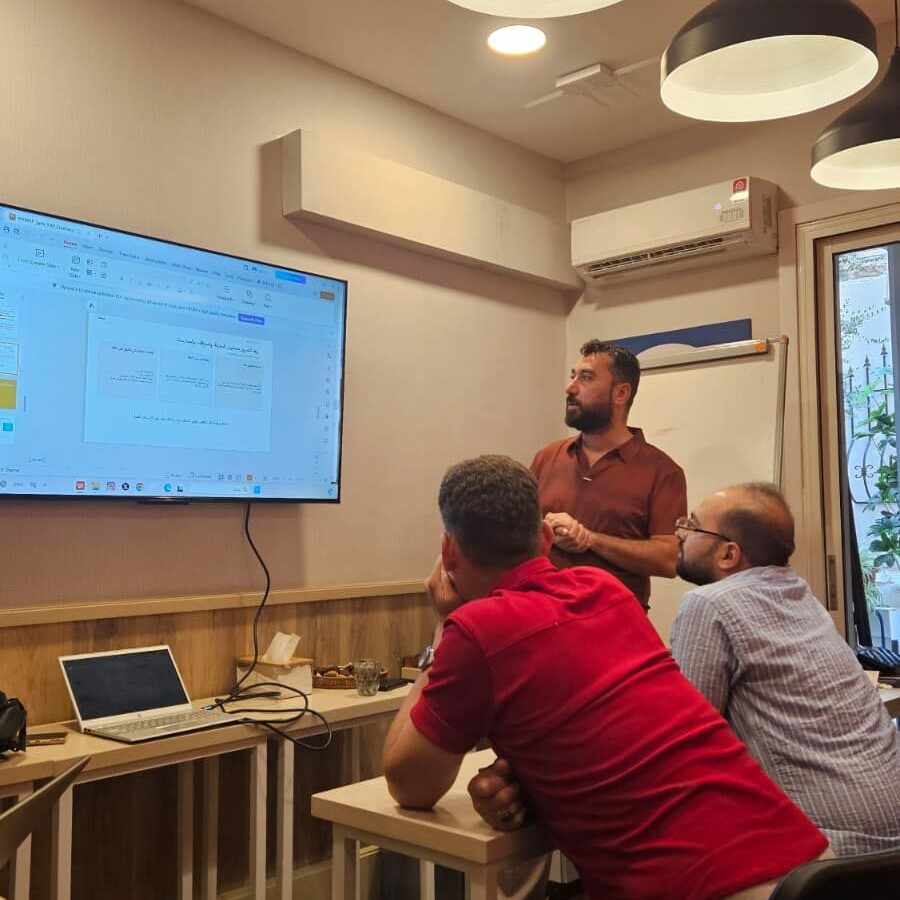
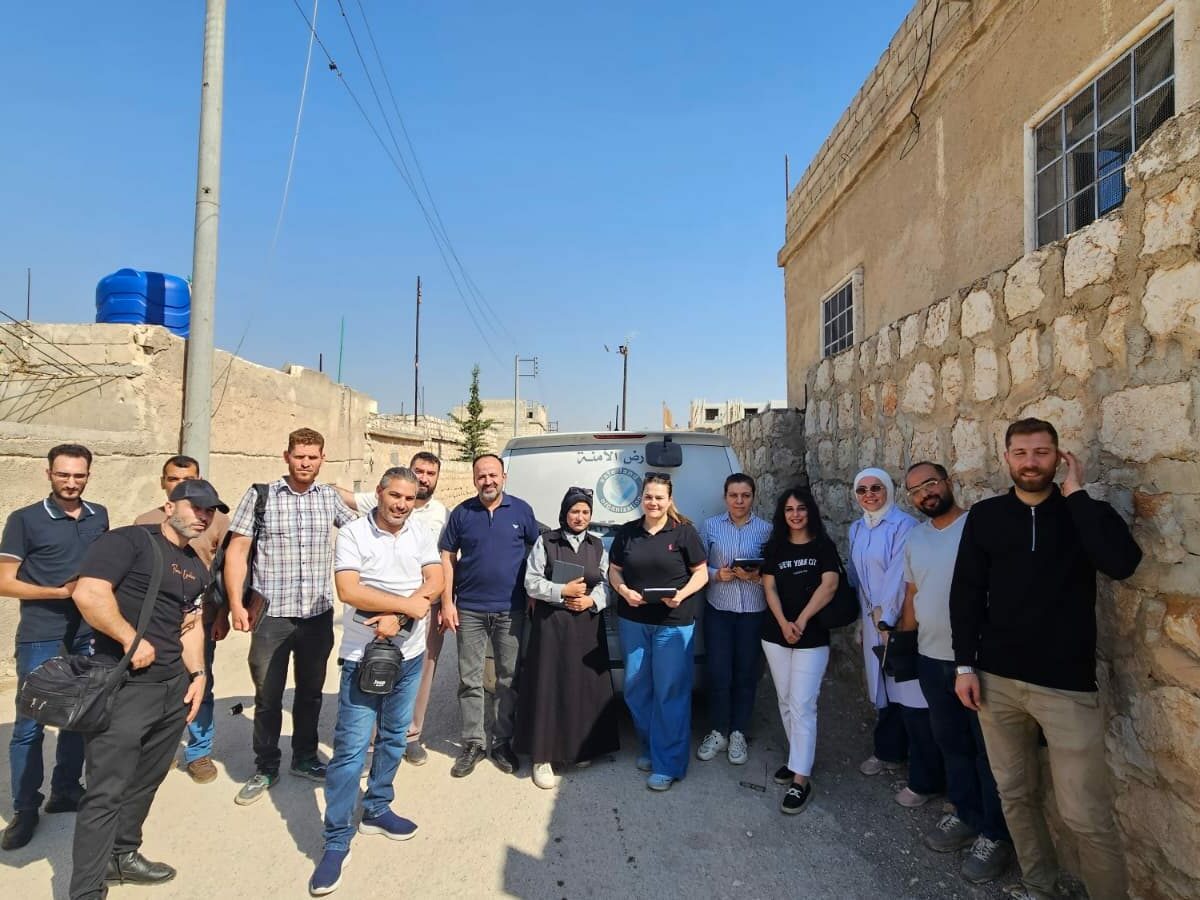
Present in Syria since 2017: risk education, non-technical surveys, clearance and training of local teams.
Our work in the country
OUR WORK
IN SYRIAClearance, risk education and stronger Syrian teams
Present in Syria since 2017, HAMAP-Humanitaire carries out mine action operations for civilian populations and humanitarian actors: explosive ordnance risk education teams, non-technical surveys, clearance of marked areas and emergency clearance of booby-trapped roads and facilities. Our work also builds Syrian skills themselves.
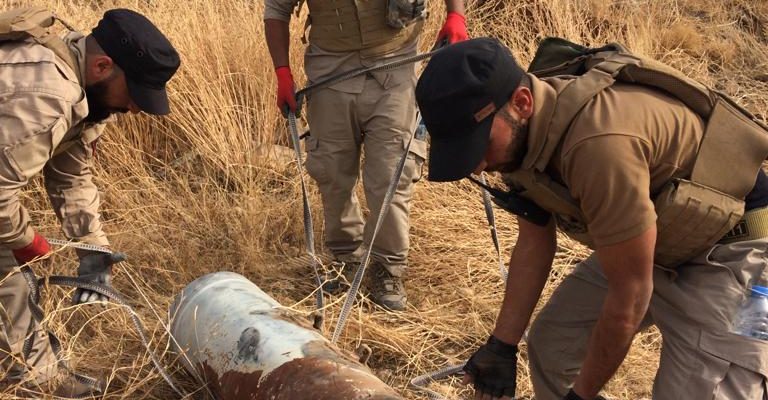
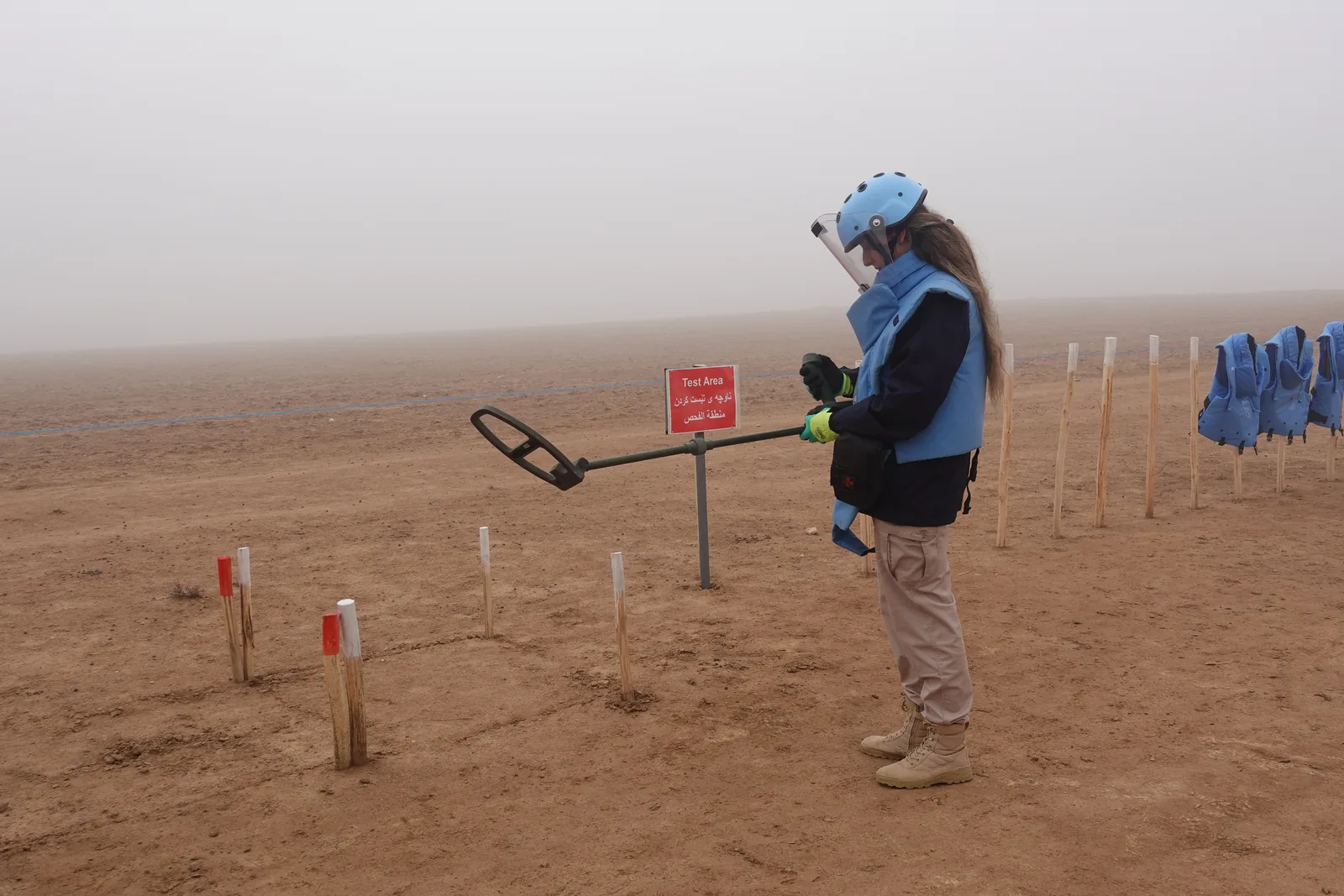
We have deployed equipment and expertise in the north of the country, trained deminers to international mine action standards, including in hazardous, confined and underwater environments, and strengthened the operational capacities of Syrian humanitarian demining organisations.
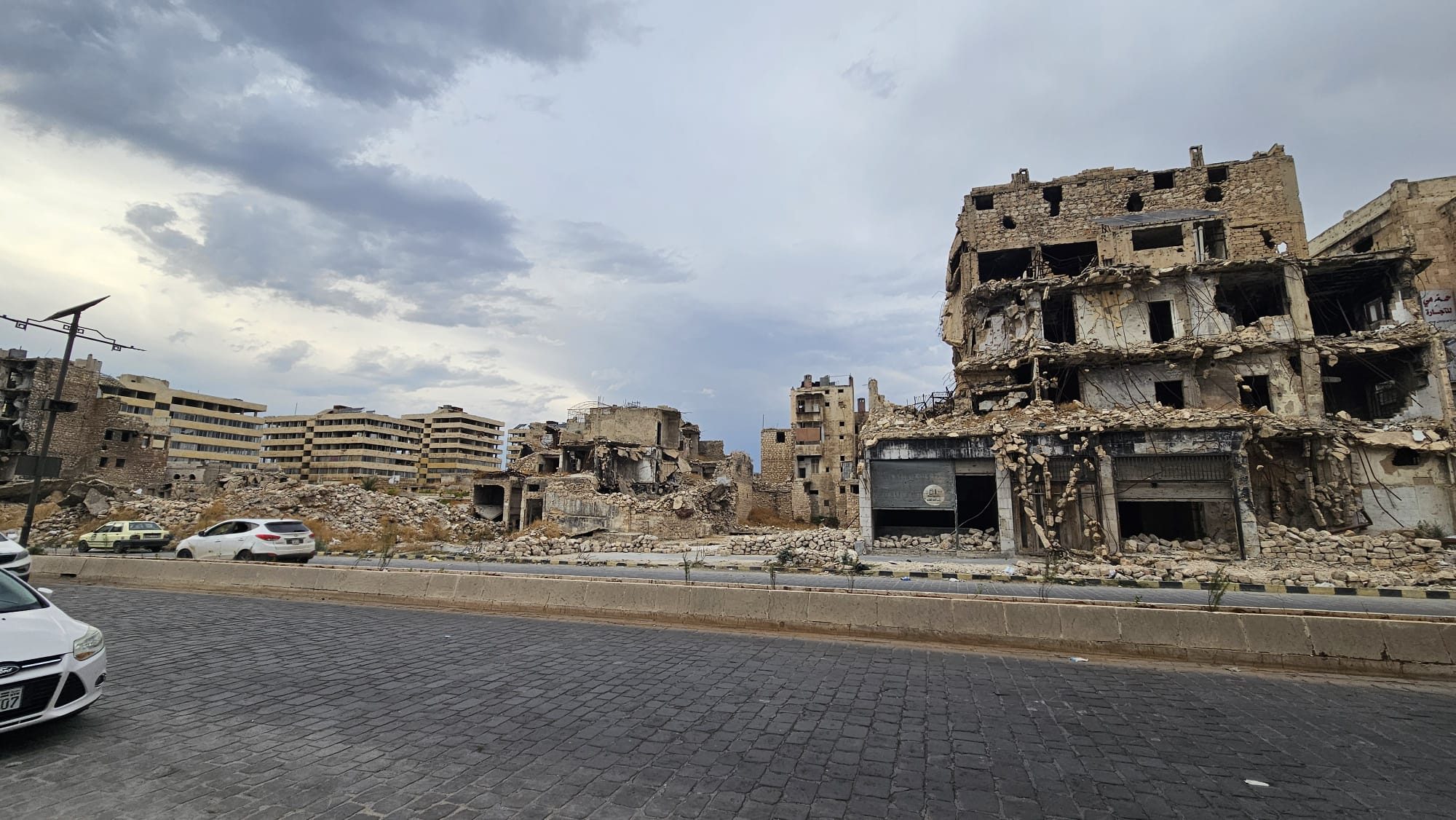
Idlib, Aleppo, Deir ez-Zor, Rural Damascus and Daraa: former front lines and areas of return for displaced people.
Our projects
MINE ACTION IN SYRIAFive projects carried out since 2017
 Completed project
Mine action, phase II
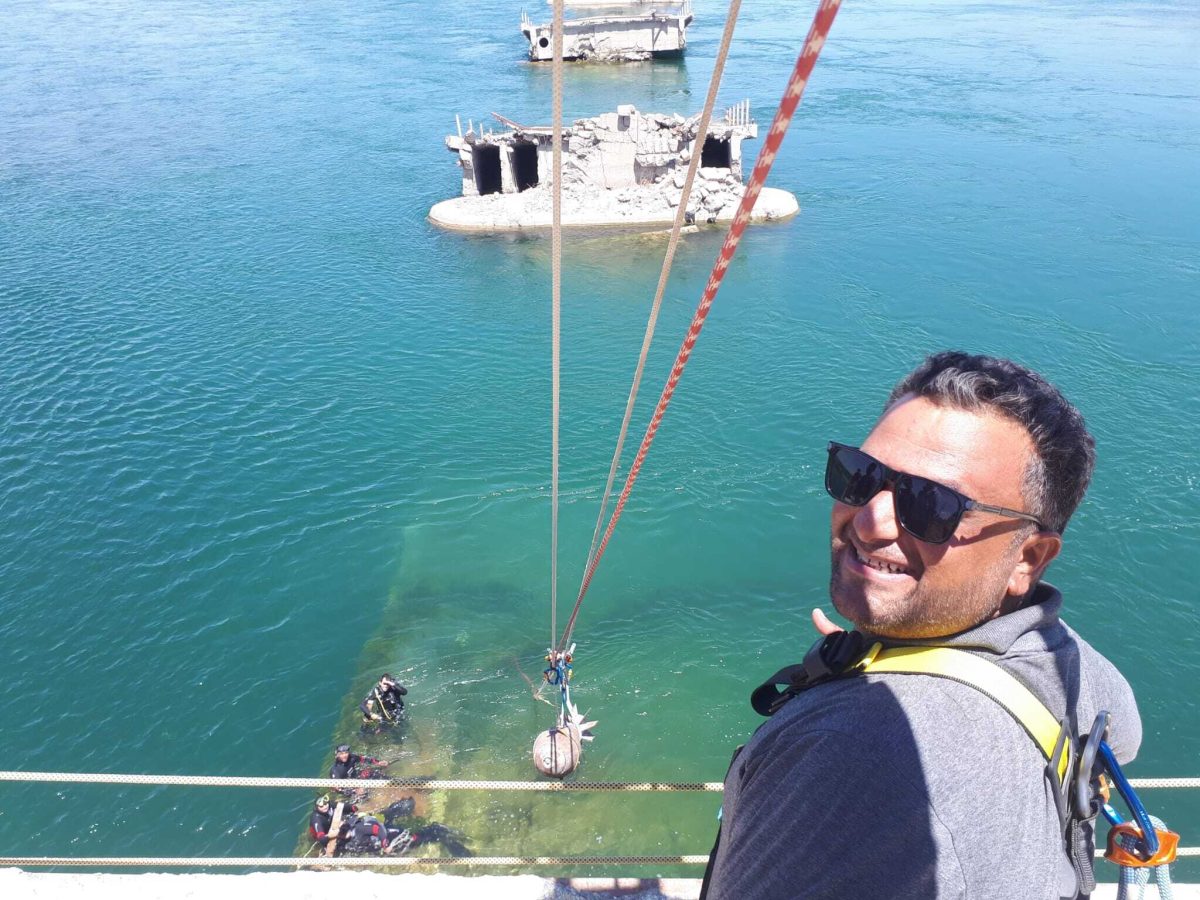
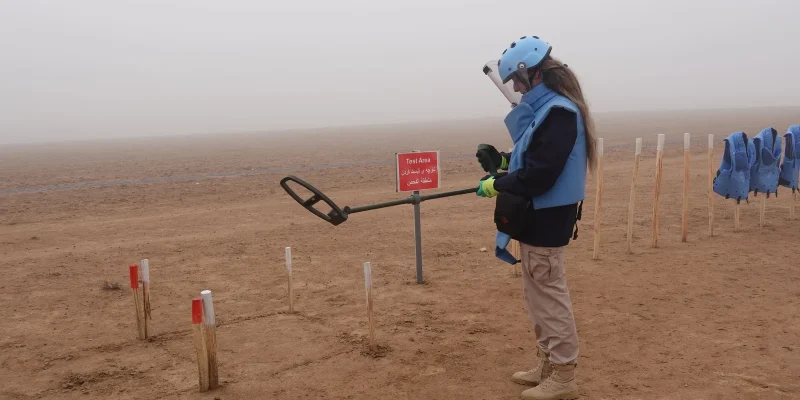
Three risk education teams, non-technical surveys, clearance of the marked areas, specialist training in demining in hazardous and confined environments and underwater demining. Clearance of the Euphrates.
 Completed project
Emergency clearance of booby-trapped routes and facilities
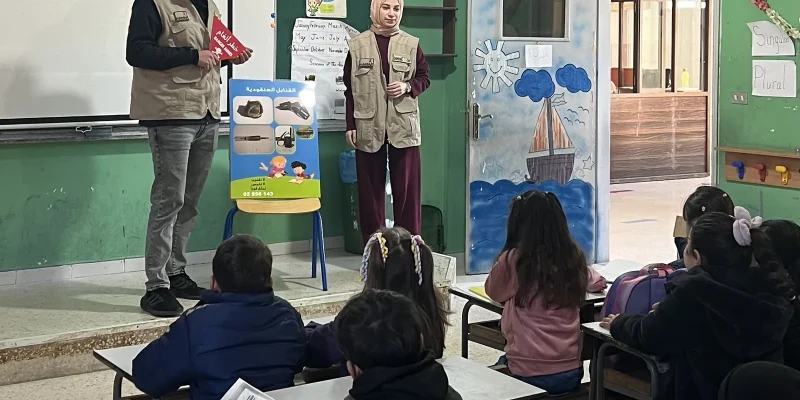
Demining and clearance operations for the benefit of the population and of the activities planned by humanitarian actors. Awareness workshops on the risks posed by mines, explosive remnants of war and improvised explosive devices.
 Completed project
Mine action for the benefit of the population
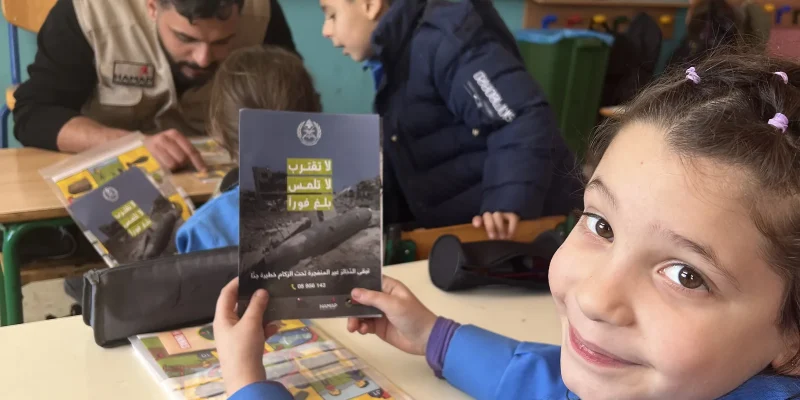
Three explosive ordnance risk education teams made available to the population and to humanitarian aid organisations. Non-technical surveys to release suspected hazardous areas.
 Completed project
Reducing the vulnerability of populations exposed to explosive ordnance
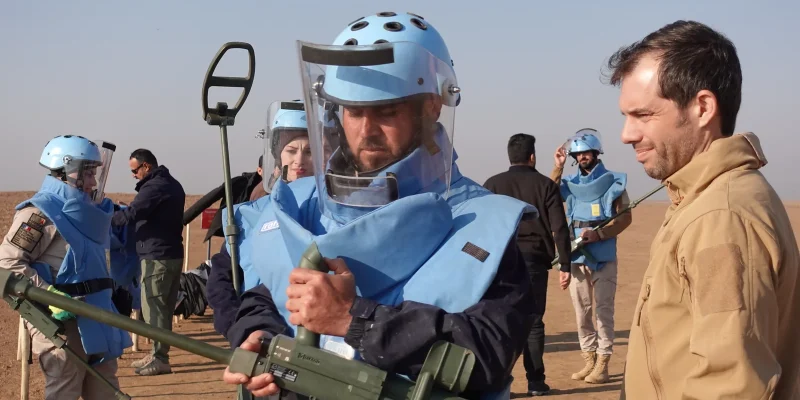
Training required by local demining teams to qualify them to international mine action standards. Demining operations for the benefit of civilian communities.
 Completed project
Building local demining capacity
Deployment in northern Syria of humanitarian demining equipment and of the expertise required. Strengthening the operational capacity of the Syrian NGO RMCO.
Technical insert
The challenges of mine action in Syria: unprecedented contamination
The contamination takes many forms: conventional Russian mines (PMN-2, POMZ), but also home-made devices bearing local names (the ruler, the rosary, the stone, and others), found everywhere in the areas formerly held by the Islamic State group. The data available from operators shows that almost all the anti-personnel mines found in north-east Syria are improvised.
The collapse of the Assad regime in December 2024 radically changed the operational context: areas that were previously inaccessible are opening up today, but the mass return of displaced people exposes thousands of civilians to lethal risks every day. The lack of consolidated contamination data at national level, chronic underfunding and the urgent need to develop local capacity are the main challenges facing the humanitarian mine action response in Syria.
In the field
OUR TEAMS
IN SYRIA
SUPPORT OUR
WORK IN SYRIA
Since 2017, HAMAP-Humanitaire has been working in Syria to protect people from explosive risk and to build an autonomous national mine action capacity.
Donate 66% of your gift is tax-deductible in France